Logistics in Ghana: Navigating Delays, Demand, and Digital Growth
As 2026 progresses, Ghana’s logistics and shipping sector continues to evolve in response to global demand and regional trade activity. Businesses are becoming more strategic in how they move goods, focusing on efficiency, reliability, and cost control.
One of the key developments this year is the increased use of digital tracking systems. Clients now expect real-time updates on shipments, improving transparency and planning. This shift is helping businesses reduce uncertainty and better manage supply chains.
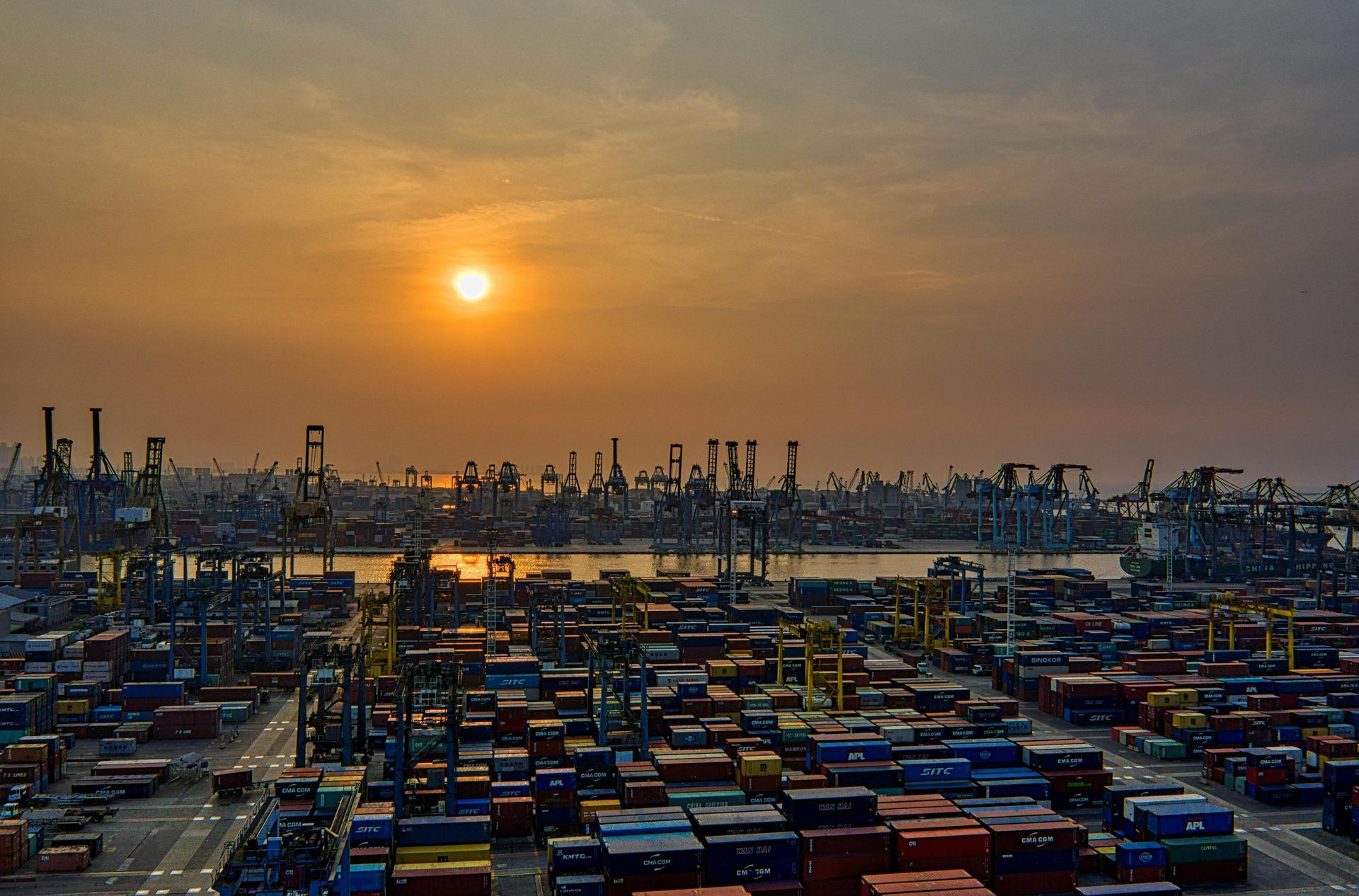
Another important factor is the ongoing need to navigate port congestion and clearance processes. Efficient documentation and proper coordination remain essential to avoiding delays. Companies that prioritise accuracy and compliance are seeing smoother operations.
Regional trade within West Africa is also gaining momentum. With increased movement of goods across borders, logistics providers are playing a crucial role in supporting business growth and economic activity.
Cost management continues to be a priority for importers and exporters alike. Strategic planning, consolidation of shipments, and choosing the right shipping methods can significantly impact overall expenses.
At this point in the year, businesses that stay informed and adaptable are better positioned to succeed. Logistics is no longer just about transportation. It is about strategy, timing, and reliable execution.